
Mini diggers hold their value well and are among the most popular used machines in the UK, which also makes them a target for theft and for sellers hiding expensive faults. This checklist covers what to look at when buying a used mini digger, from micro excavators under 1.5 tonnes to midi machines of around 6 to 8 tonnes.
Before you view
- Size and transport. Decide the operating weight you need, and check how it will travel. A machine and plant trailer together often weigh more than people expect; see how to transport used machinery.
- Hours. Compare the hour meter with wear on the pedals, seat, tracks and pins.
- Specification. Note the tracks (rubber or steel), any expanding undercarriage, zero or reduced tail swing, auxiliary hydraulic circuits, the buckets included and the type of quick hitch.
- Identity. Ask for the serial number (PIN) and any registration documents. Many machines carry a CESAR registration plate and hidden identification marks used by police to trace stolen plant.
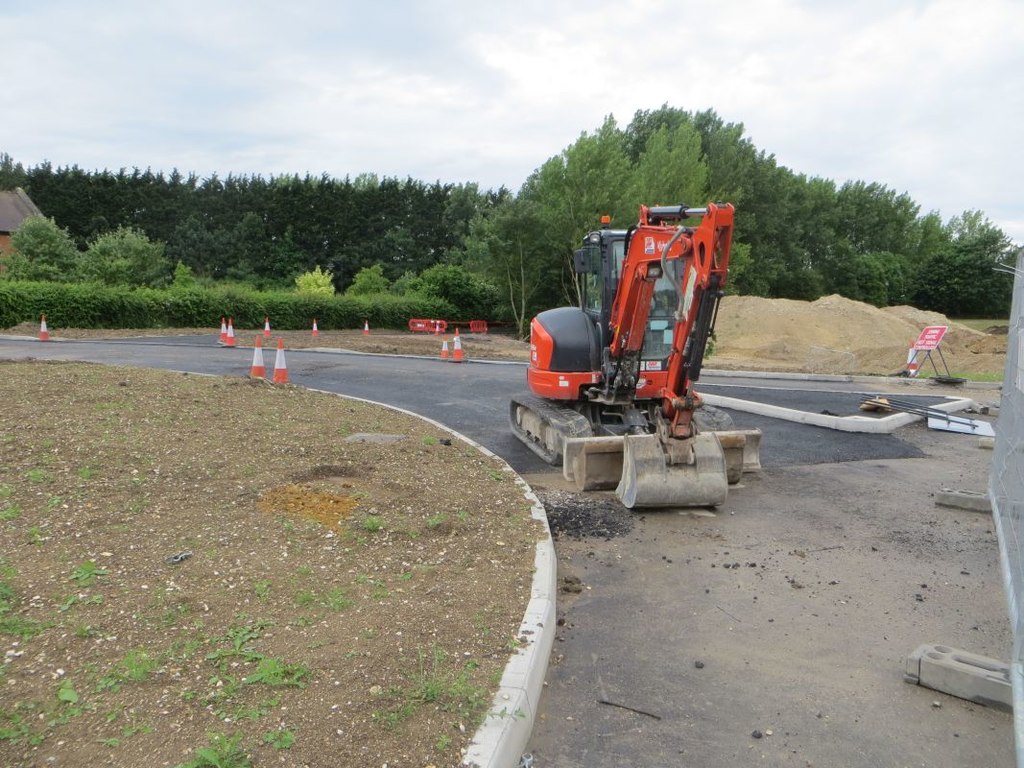
Undercarriage
- Undercarriage parts are expensive, so start here. Look for hooked or pointed teeth on the drive sprockets, and leaking or worn rollers and idlers.
- On rubber tracks, look for deep cuts and exposed steel cords. On steel tracks, check the grousers and pins.
- Check the track tension, and look for oil leaks around the travel motors.
Slew ring, boom and dipper
- With the bucket raised, rock the arm from side to side and up and down. Heavy clunking can mean a worn slew ring or worn pins and bushes.
- Check each pivot for play, and for fresh grease, which shows regular maintenance.
- Look for cracks and fresh welds on the boom, dipper, king post and bucket, particularly around pivots and the boom foot.
Hydraulics
- Check every ram for scored or pitted chrome and leaking seals, and every hose for chafing and weeping.
- Look underneath the centre of the machine for oil from the swivel joint.
- Run every function, including slew, travel, blade and boom offset. Movements should be smooth and reasonably quick, and the machine should travel in a straight line.
Engine
- Start from cold. Look for heavy smoke and listen for knocking.
- With the engine running, remove the oil filler cap. Heavy fumes pushing out, known as blow-by, can mean worn piston rings.
- Check the oil, coolant and hydraulic oil for contamination.
- Ask what fuel is in the tank. Since April 2022 most construction work can no longer use red diesel, so a machine for construction use should run on white diesel. Check HMRC guidance if it has been used on rebated fuel.
Cab, safety equipment and quick hitch
- The cab or canopy protects the operator in a roll-over and must not be drilled, cut or welded. Check the seat belt is fitted and working.
- Check the mirrors, beacon, travel alarm if fitted, and the operation of the isolator.
- Quick hitch. Quick hitches have been involved in fatal accidents when buckets fell off, often because the retaining pin was missing. Check that the hitch is a recognised design, that the manufacturer’s safety pin or locking mechanism is present and working, and that the hitch has not been modified. HSE publishes industry guidance on quick hitches.
- If the machine will lift loads with chains or slings, it becomes lifting equipment. It then needs a LOLER thorough examination, a clearly marked safe working load, and normally check valves on the boom and dipper rams.
Paperwork and payment
- Check the serial number on the machine matches the invoice and any registration document.
- Get proof of ownership and written confirmation that no finance is outstanding. Mini diggers are often bought on finance.
- Pay by bank transfer to an account in the seller’s or business’s name once you have seen the machine. Be wary of prices well below the market, or sellers who will not let you see the machine at their premises.
Summary: buying a used mini digger
Start with the undercarriage, then check the slew ring, pins and bushes, rams and hoses, engine, cab and quick hitch, and confirm the machine’s identity and ownership before paying. Then browse used mini diggers for sale, or read the general guide to what to check when buying used machinery.
Used excavators for sale
Nothing listed right now. More used machinery will be listed as sellers join.
Related guides
Images: Photo: Bill Nicholls, CC BY-SA 2.0, via Wikimedia Commons (Geograph)