
Every used machine put to work in Great Britain has to be safe before anyone uses it. The main law is the Provision and Use of Work Equipment Regulations 1998, known as PUWER. This guide explains what PUWER and the related supply rules mean for second-hand machinery, for both the business buying it and the business selling it. Northern Ireland has equivalent regulations with the same requirements.
What PUWER requires
PUWER applies to employers, to the self-employed, and to anyone who has control of work equipment. Work equipment covers almost anything used at work, from a pillar drill to an excavator or a complete production line. In summary, the equipment must be:
- suitable for the work it is used for, in the place it is used;
- maintained in a safe condition, with any maintenance log kept up to date;
- inspected where wear, deterioration or installation could create a risk;
- fitted with guards or protection devices that prevent access to dangerous parts;
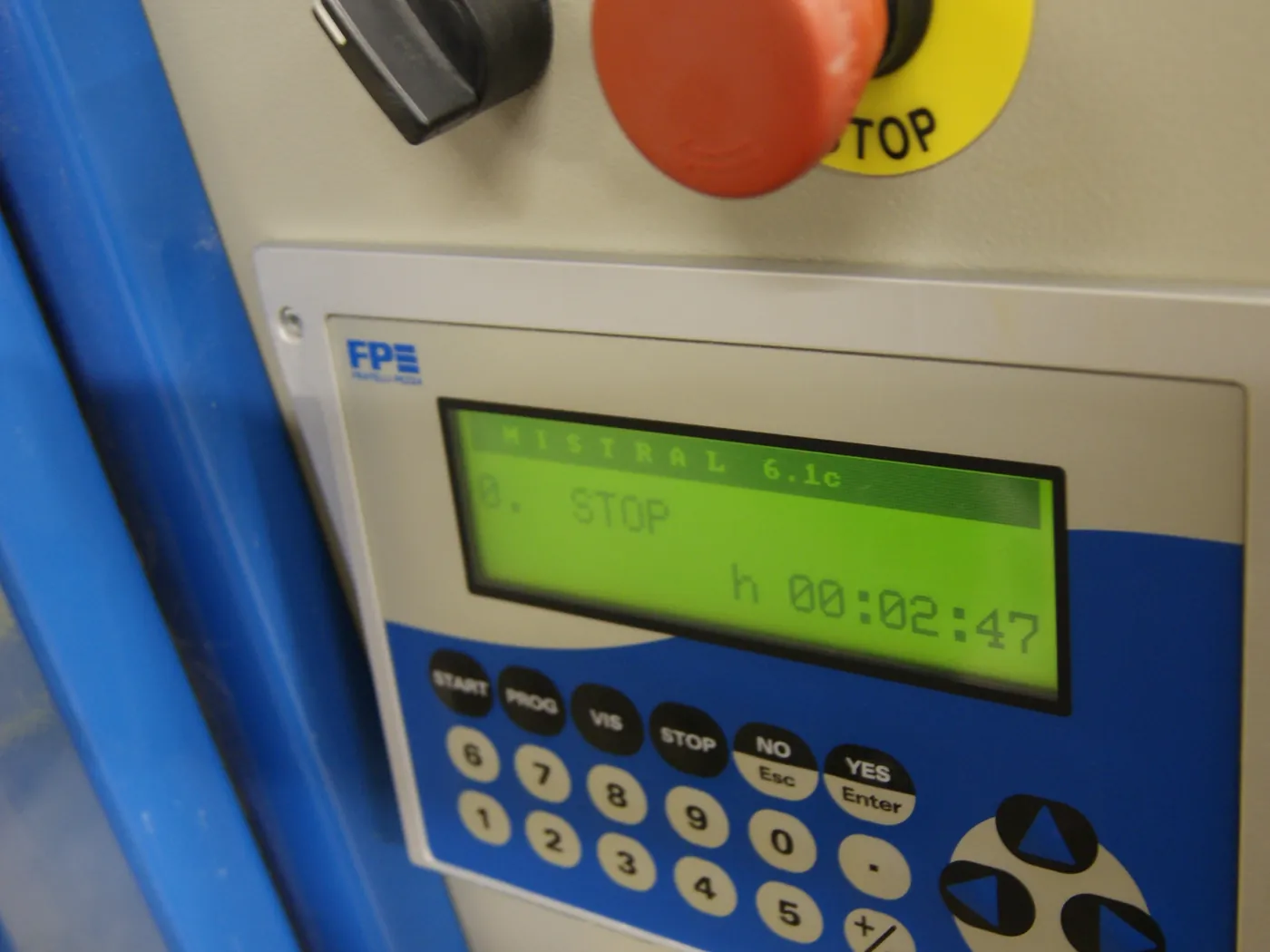
- fitted with clearly marked controls, emergency stops where needed, and a means of isolating it from every power source;
- stable, adequately lit, and marked with any warnings needed;
- used only by people who have received adequate information, instruction and training.
Mobile machinery has further requirements, such as protection against roll-over and falling objects, and restraints where there is a risk of being crushed if the machine overturns.
How PUWER applies to second-hand machinery
PUWER makes no allowance for age. An older machine built before modern standards must still meet PUWER before it is used, which can mean fitting interlocked guards, an emergency stop or a lockable isolator that the original design did not include. The fact that a machine was used in a particular way by its previous owner is not a defence.
Second-hand machinery that was already in use in the UK does not need a new UKCA or CE mark when it is sold on. The position changes in two situations, and HSE guidance should be checked before buying in either case:
- Imported machinery. A used machine brought into the UK for the first time from outside the UK and EU can be treated as new, and must then meet the Supply of Machinery (Safety) Regulations 2008, including marking and a declaration of conformity.
- Substantially modified machinery. Rebuilding a machine so that its performance, purpose or safety features change significantly can also make it count as a new machine.
The seller’s duty
Anyone who supplies equipment for use at work in the course of a business, including a business selling a machine it no longer needs, has a duty under section 6 of the Health and Safety at Work etc. Act 1974. The equipment must be safe so far as is reasonably practicable, and supplied with the information needed to use it safely. HSE guidance makes three points that sellers often overlook:
- The duty applies to private sales between businesses, not only to dealers.
- Writing “sold as seen” on an advert or invoice does not remove the duty.
- A dealer who buys a machine for resale for work use must put right any safety defects before selling it.
If a machine is genuinely being sold for spares, repair or scrap, say so clearly in the advert and on the receipt, so the buyer knows it must not be put to work as it stands. Pass on the operator’s manual, maintenance records and any inspection reports with the machine.
Buyer’s checklist before first use
- Check that every guard is fitted, secure and, where required, interlocked so the machine stops when the guard is opened.
- Test every emergency stop and confirm the machine cannot restart until the stop is reset.
- Confirm there is a means of isolating each power source, preferably one that can be locked off for maintenance.
- Have the electrical installation and connection checked by a competent electrician, particularly for three-phase machinery.
- Obtain the operator’s manual, or a replacement from the manufacturer, and any maintenance and inspection records.
- Carry out a risk assessment for the way the machine will be used, and set up a maintenance and inspection routine.
- Train and authorise the people who will use it.
- For lifting equipment, arrange a thorough examination unless a current report is available. See the guide to LOLER thorough examinations.
Summary: PUWER for second-hand machinery
PUWER applies to used machinery in the same way as new: before it is put to work it must be suitable, guarded, controllable, maintained and used by trained people. Sellers in business must supply it safe, whatever the advert says, and buyers must check it before first use. For general checks before buying, read what to check when buying used machinery. HSE publishes detailed guidance on work equipment and machinery.
Used machinery for sale
Nothing listed right now. More used machinery will be listed as sellers join.