
A good used machine can do the same work as a new one for a fraction of the price. A poor one costs money from the day it arrives. Most problems can be spotted before you buy, provided you ask the right questions and see the machine working. This guide sets out what to check when buying used machinery in the UK, from the questions to ask before you travel to the paperwork and payment.
Before you travel
- Ask why the machine is being sold, how long the seller has had it and what work it has done.
- Ask for the year, the serial number and, for plant and access equipment, the hours. Compare the hours with the general wear you see in the photos.
- Ask for service records, invoices for recent repairs and the operator’s manual.
- Ask for a short video of the machine starting from cold and working. A seller with a sound machine rarely minds.
- Check the power supply. Many workshop machines need three-phase power; converting a single-phase supply adds cost.
On the day
See the machine start from cold if you can. Engines that are already warm when you arrive can hide starting problems and smoke.
General condition
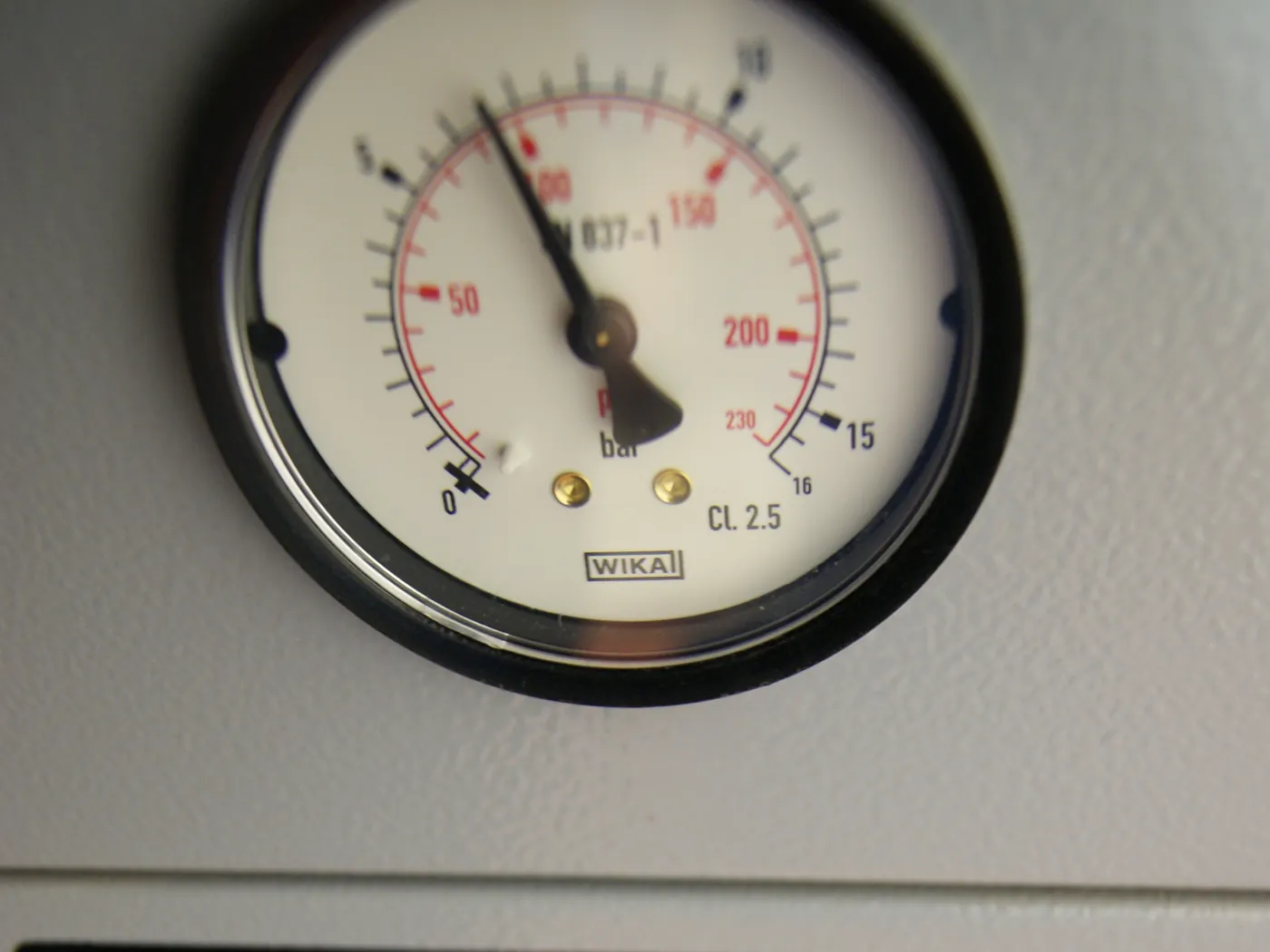
- Look for cracks and fresh welds on frames, booms, arms and mounting points. A new weld is not always a bad sign, but ask what it repaired.
- Check hydraulic hoses, rams and fittings for leaks, weeping seals and chafed hoses.
- Look at wear parts: tracks and sprockets, tyres, bucket pins and bushes, belts, blades, bearings and slides.
- Check the electrical panel and cables for damage, burnt contacts and home-made repairs.
Running checks
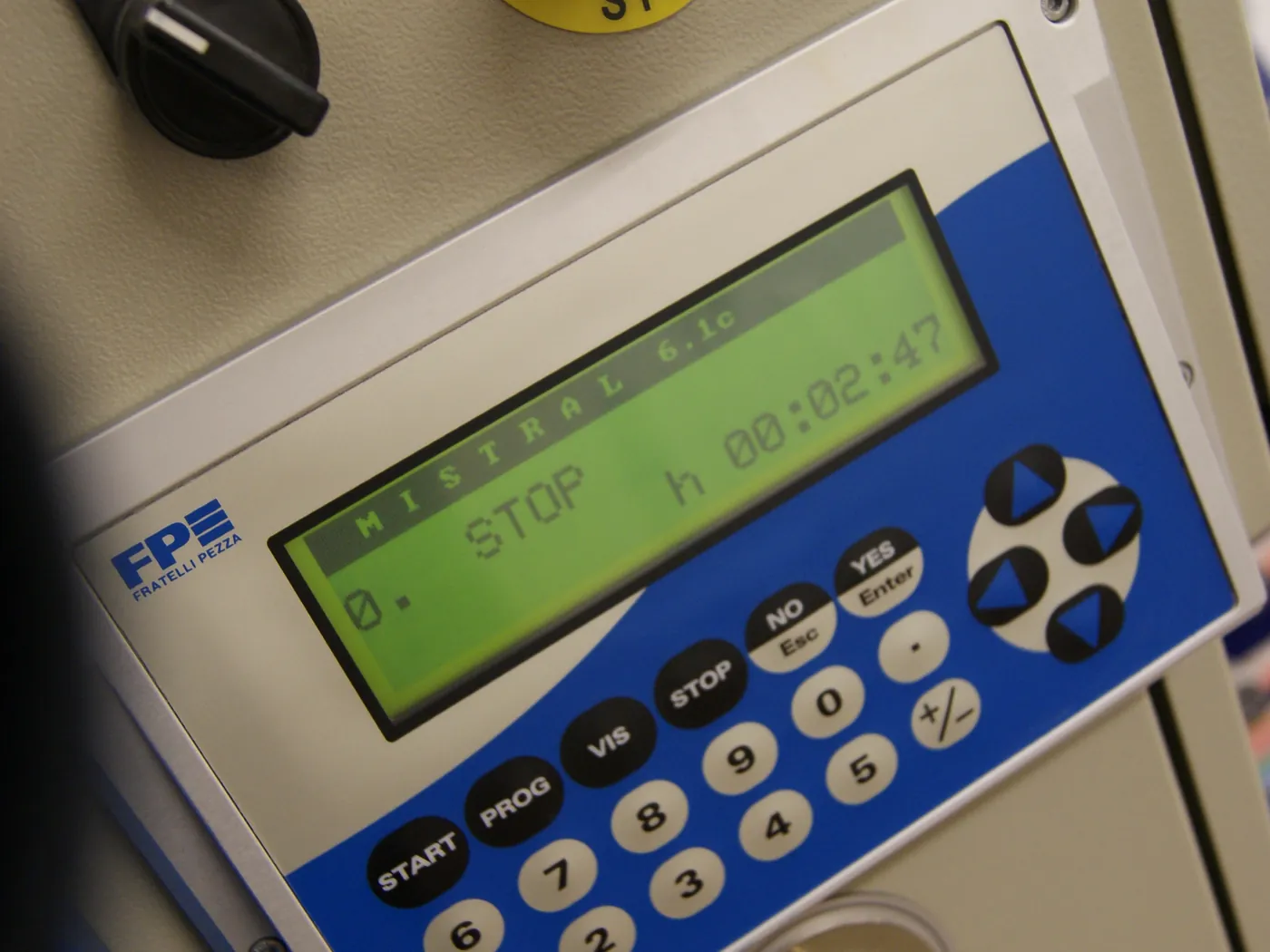
- Run every function, not just the main one. Listen for knocking, whining or grinding, and watch for hesitation or loss of power under load.
- On engines, look for heavy smoke, oil in the coolant and coolant in the oil.
- On workshop and production machinery, check that settings hold, that cuts or welds are accurate, and that the controls and any CNC software start without errors.
Safety equipment
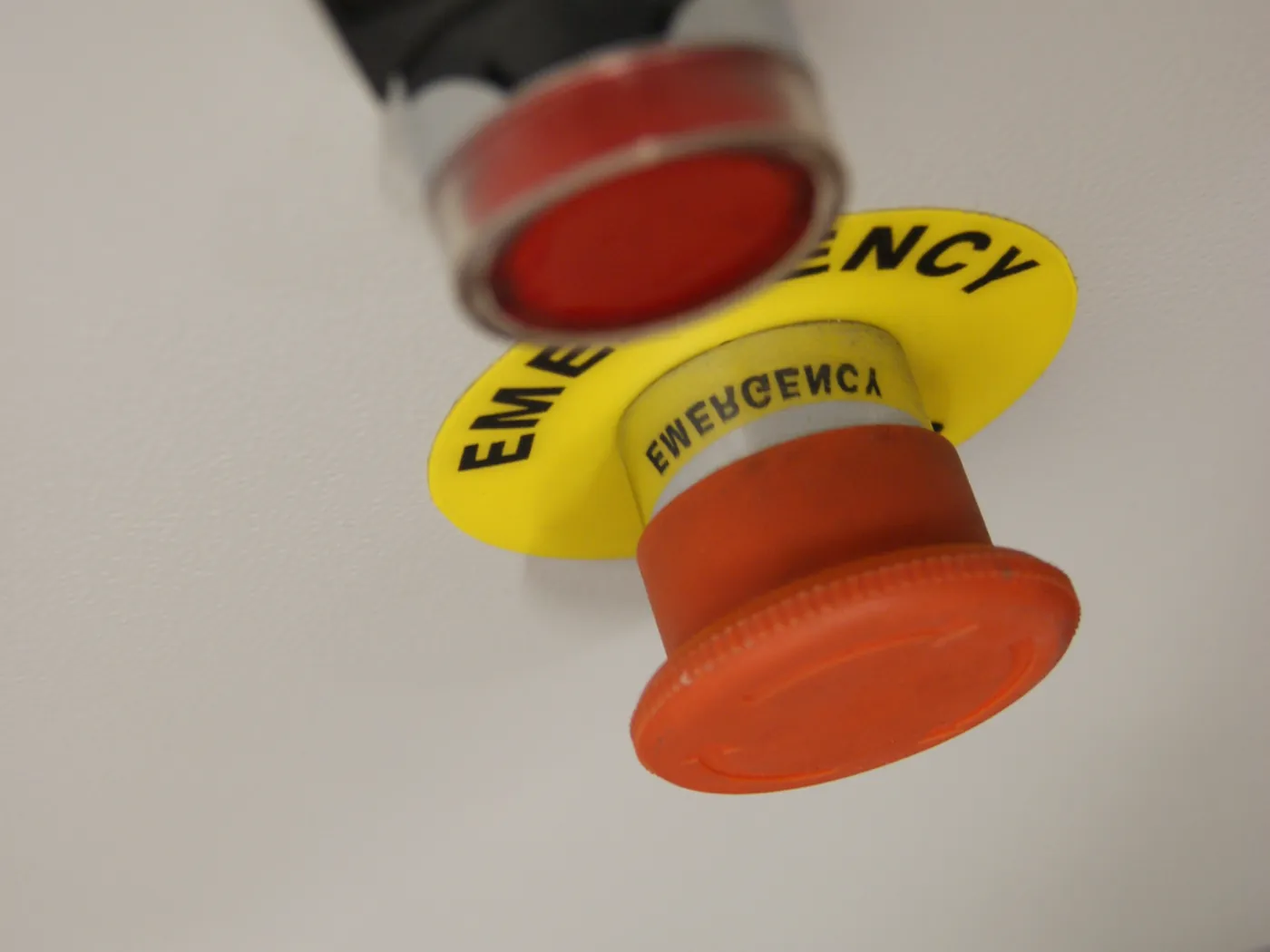
Guards, emergency stops, interlocks and safety devices must be fitted and working. Missing guards are expensive to replace, and the machine must not be used until they are in place.
Paperwork
- Ask for proof of ownership, such as a purchase invoice.
- For plant, ask whether the machine is registered on a theft register and check its serial numbers against the paperwork.
- For finance-bought machinery, ask the seller to confirm in writing that nothing is outstanding.
- For lifting equipment, including forklifts, access platforms and vehicle lifts, ask for the latest thorough examination report (see LOLER thorough examinations).
Your legal duties once you own it
A second-hand machine already in use in the UK does not need a new UKCA or CE mark, but it must be safe. Before it is put to work (see PUWER and second-hand machinery), the user must make sure it meets the Provision and Use of Work Equipment Regulations 1998 (PUWER): it must be suitable for the job, maintained in a safe condition, guarded, and used by people who are trained to use it. Lifting equipment also needs thorough examinations under the Lifting Operations and Lifting Equipment Regulations 1998 (LOLER), at least every 12 months, and every 6 months for equipment that lifts people. The Health and Safety Executive publishes guidance on both.
Paying and collecting
- Agree in writing what is included: tooling, attachments, manuals and spare parts.
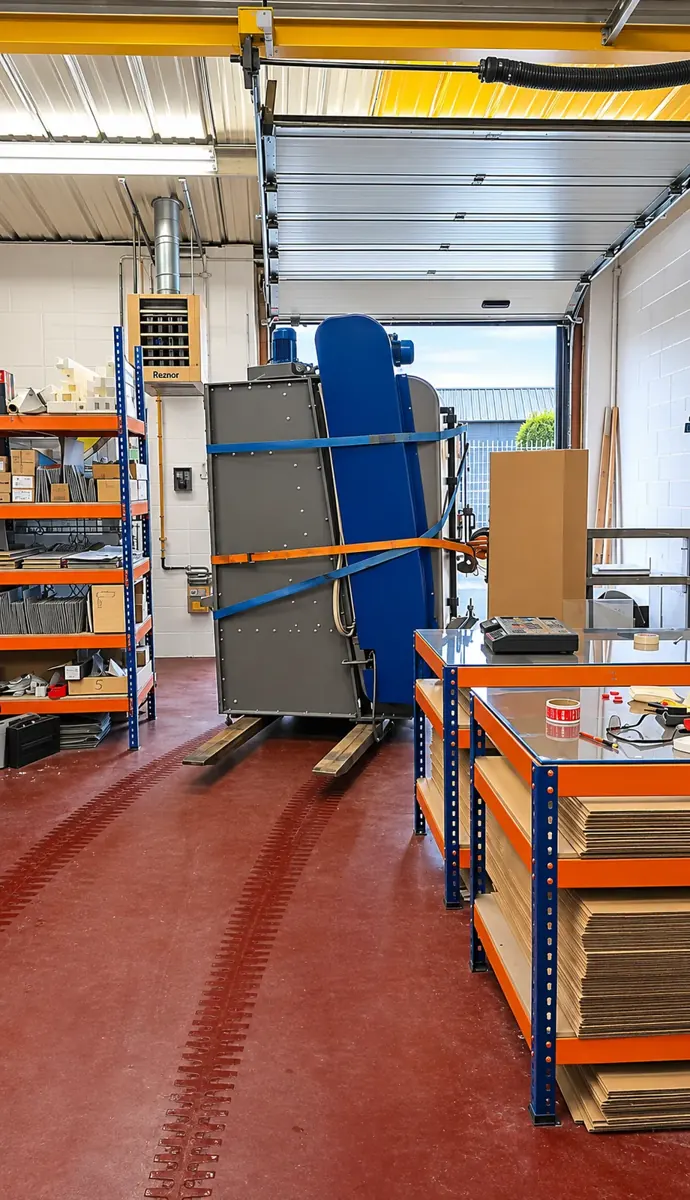
- Agree who loads the machine and who pays for transport. Heavy machinery may need a lorry with a crane or a low loader; see how to transport used machinery.
- Pay by bank transfer to an account in the seller’s or business’s name, ideally once you have seen the machine. Be wary of requests to pay a third party, to pay by gift card or cryptocurrency, or to pay a deposit before viewing.
- Get a receipt showing the machine, its serial number, the price and both parties’ details.
Summary: what to check when buying used machinery
Ask questions and see records before you travel, see the machine start from cold and run every function, check that guards and emergency stops work, collect proof of ownership and inspection reports, and pay only by bank transfer to the seller once you have seen the machine.
When you are ready, browse used machinery for sale and filter by distance from your postcode.
Used machinery for sale
Nothing listed right now. More used machinery will be listed as sellers join.