
Forklifts, cherry pickers, telehandlers, cranes, hoists and vehicle lifts are among the most popular used machines, and all of them are lifting equipment. Under the Lifting Operations and Lifting Equipment Regulations 1998 (LOLER), lifting equipment must have a regular LOLER thorough examination by a competent person. This guide explains when an examination is needed, how often, and what buyers and sellers of used lifting equipment should ask for.
What counts as lifting equipment
LOLER applies to equipment used at work for lifting or lowering loads, and to the accessories used with it. Common examples on the used market include:
- forklift trucks, telehandlers and reach trucks (the mast, chains, carriage and forks);
- mobile elevating work platforms (MEWPs), such as cherry pickers, scissor lifts and boom lifts;
- cranes, lorry loaders, hoists and material lifts;
- vehicle lifts, including two-post and four-post lifts;
- glass vacuum lifters and other below-the-hook devices;
- excavators and loaders used to lift loads with chains or slings;
- lifting accessories such as chains, slings, shackles and eyebolts.
The rest of the machine, such as the brakes, steering and tyres of a forklift, is covered by PUWER and needs regular inspection and maintenance as well.
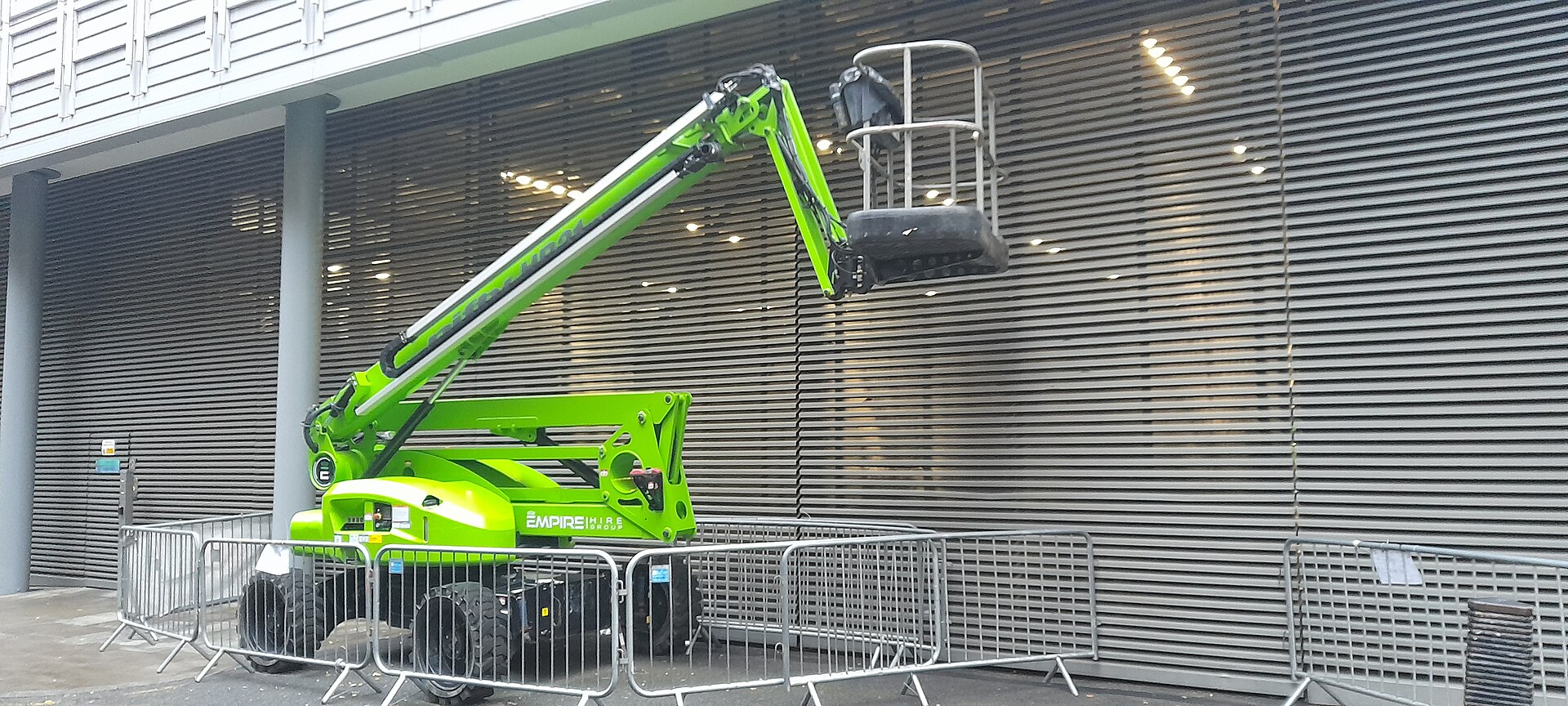
When a LOLER thorough examination is needed
- Before first use, unless the equipment is new with a declaration of conformity less than a year old and was not assembled on site.
- After installation or assembly at each new location, for equipment whose safety depends on how it is installed.
- Periodically in service, at the intervals set out below or under an examination scheme.
- After exceptional circumstances, such as damage, a failure, major alterations or a long period out of use. This is often the case with machines that have stood in a yard before being sold.
How often
Unless an examination scheme drawn up by a competent person sets different intervals, the maximum intervals are:
- every 6 months for equipment used to lift people, such as cherry pickers and personnel lifts, and for all lifting accessories;
- every 12 months for all other lifting equipment.
Routine servicing and pre-use checks are important, but they do not count as a thorough examination.
Who carries it out, and the report
The examination must be carried out by a competent person with the practical and theoretical knowledge to find defects and judge how serious they are. The competent person can be from an outside organisation or in-house, but must be independent and impartial enough to make objective decisions, and should not be the person who routinely maintains the equipment.
The written report must include the details listed in Schedule 1 of LOLER, including the date of the examination, the date by which the next one is due, and any defects that are or could become a danger. A serious defect must be reported to the duty holder immediately, and the equipment must not be used until it is put right. Some defects can be given a date by which they must be repaired.
Buying used lifting equipment
- Ask for the latest thorough examination report, and check the date the next one is due.
- Check that the safe working load or rated capacity is clearly marked, and that any attachments are allowed for on the capacity plate.
- Ask about any defects listed in the report and whether they were repaired.
- If there is no current report, or the machine has been out of use for a long time, arrange a thorough examination before it is used. A sale price that reflects the cost of an examination and any repairs is reasonable.
- Arrange the next examination, or an examination scheme, so the equipment stays in date.
When you sell lifting equipment, pass on copies of the examination reports. HSE guidance expects an owner to be able to provide written records when equipment leaves their business.
Summary: LOLER thorough examination of used lifting equipment
Used lifting equipment needs a thorough examination before first use unless a current report exists, then at least every 6 months for equipment lifting people and for accessories, and every 12 months for everything else, by an independent competent person. Ask for the report before you buy, and budget for an examination if there is none. Browse used access equipment or read the guide to buying a used forklift. HSE’s guidance on thorough examination of lifting equipment gives full details.
Used boom lifts for sale
Nothing listed right now. More used machinery will be listed as sellers join.
Related guides
Images: Photo: David Howard, CC BY-SA 2.0, via Wikimedia Commons (Geograph)